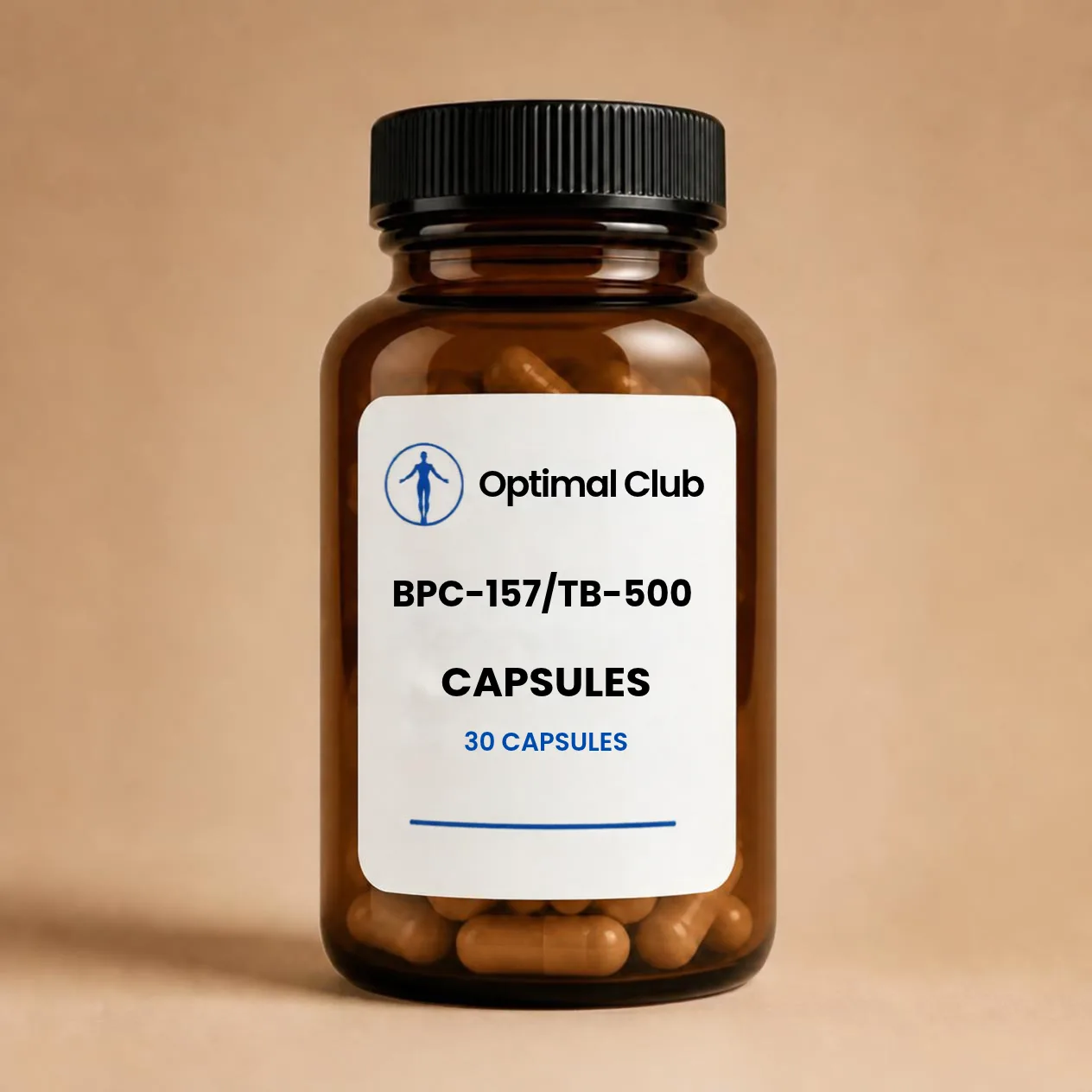
BPC-157 and TB-500 are two synthetic peptides that have attracted research interest in cellular signaling, tissue biology, and repair-related processes. Researchers have investigated each peptide through different experimental models. However, their proposed mechanisms and available evidence are not identical.
BPC-157 is a 15-amino-acid peptide associated with research on gastrointestinal biology, vascular signaling, and tissue remodeling. TB-500 is commonly associated with the LKKTETQ fragment of thymosin beta-4, a protein involved in actin regulation and cellular movement.
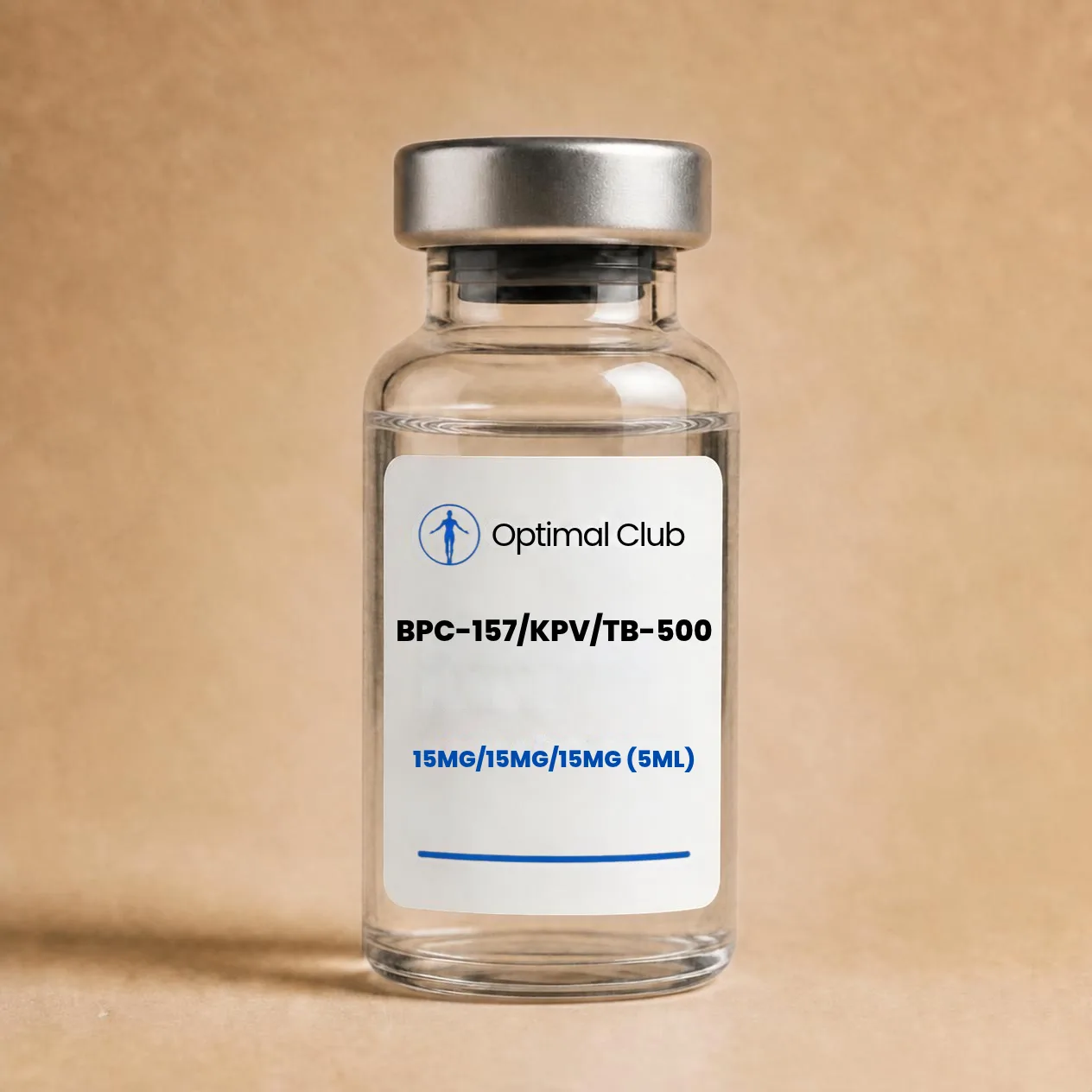
The combination has received attention in peptide research discussions because both compounds have been studied in repair-related biological pathways. However, evidence from individual peptide studies does not establish that combining them produces additional benefits. Human clinical evidence for this specific combination, particularly in oral capsule form, remains insufficient.
Product Overview
| Attribute | Details |
|---|---|
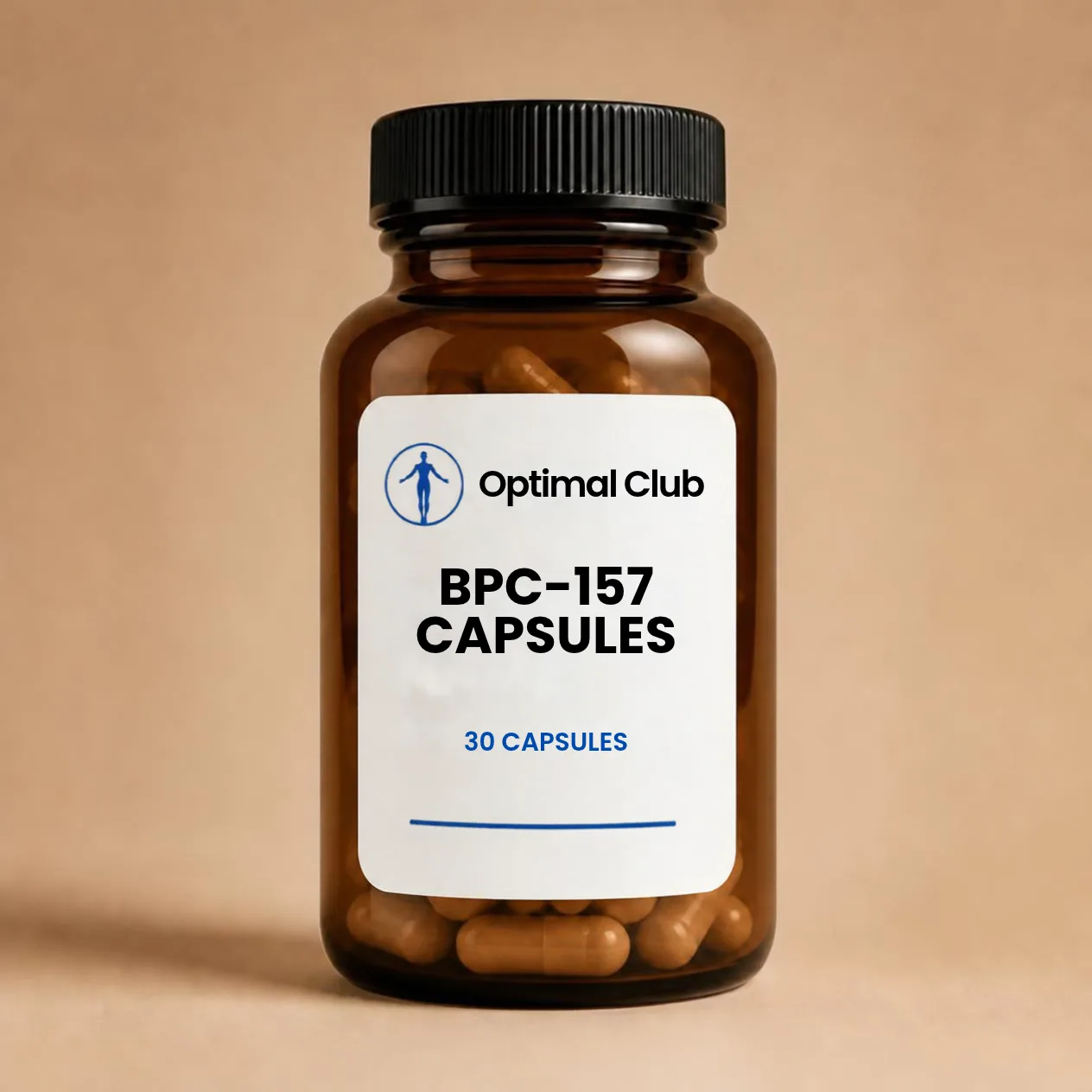
| Product name | BPC-157/TB-500 Capsules |
| Active ingredients | BPC-157 and TB-500 |
| BPC-157 classification | Synthetic 15-amino-acid peptide |
| TB-500 classification | Synthetic thymosin beta-4 fragment |
| TB-500 fragment | LKKTETQ |
| Dosage form | Oral capsules |
| Research areas | Cellular signaling, actin regulation, and tissue remodeling |
| Evidence base | Primarily laboratory and animal research |
| Human evidence for combination | Not sufficient |
| FDA approval | Not approved by the FDA |
Product specification note: Confirm the individual amount of BPC-157 and TB-500 per capsule. Do not assume equal quantities or assign a total strength without checking the product label.
Mechanism of Action
The two peptides have different molecular structures and proposed biological activities. Their research findings should be considered separately.
BPC-157: Cellular signaling and gastrointestinal research
BPC-157 is a synthetic pentadecapeptide with the amino acid sequence GEPPPGKPADDAGLV. Laboratory and animal studies have examined its possible effects on:
- Cellular migration: Research has explored its relationship with cell movement and tissue remodeling.
- Vascular signaling: Experimental studies have investigated pathways associated with blood vessel formation.
- Gastrointestinal biology: Animal research has examined its effects in experimental models of gastrointestinal injury.
- Tissue remodeling: Researchers have studied its influence on cellular responses in different tissue models.
These findings provide research context but do not establish therapeutic benefits in humans.
TB-500: Actin regulation and cellular movement
TB-500 is commonly identified with the seven-amino-acid fragment LKKTETQ of thymosin beta-4. This sequence is associated with the protein's actin-binding region.
Actin is a structural protein that helps cells maintain their shape and move. Research involving thymosin beta-4 and related fragments has examined:
- Actin regulation and cytoskeletal activity.
- Cellular migration and movement.
- Angiogenesis, or the formation of new blood vessels.
- Biological processes associated with tissue remodeling.
Importantly, studies of full-length thymosin beta-4 do not automatically establish the effects of TB-500. The two molecules have different structures.
Research rationale for combining both peptides
The combination brings together two peptides investigated in overlapping areas of tissue biology. However, their proposed mechanisms do not prove that they work better together.
A 2026 animal study examined BPC-157, TB-500, and their combination in rats with surgically repaired Achilles tendons. The researchers reported different results across the treatment groups. The combined treatment did not establish superior outcomes over individual peptides. This study also used intraperitoneal administration, not oral capsules.
Clinical Research
BPC-157 research
A 2025 systematic review examined 36 studies involving BPC-157 in orthopedic and sports medicine research. Most studies used animal models involving muscle, tendon, ligament, and bone injuries. The review identified limited human evidence and highlighted the need for stronger clinical trials.
A separate 2025 pilot study examined intravenous BPC-157 in two participants. Its small sample size and limited observation period cannot establish long-term safety or effectiveness. It also provides no direct evidence for oral capsules.
TB-500 research
Research on TB-500 has focused largely on its relationship with thymosin beta-4 and actin-related biological processes. FDA reported that it had not identified human exposure data or clinical studies establishing the safety of TB-500 products.
Research on the combination
A 2026 study examined BPC-157 and TB-500 together in a rat Achilles tendon injury model. It included separate BPC-157, TB-500, combination, and control groups. Although the study reported findings related to tendon strength and tissue structure, it did not establish human clinical benefits.
Evidence for oral capsules
The available research does not establish the following for BPC-157/TB-500 capsules:
- Human absorption and bioavailability of both peptides.
- Stability of both ingredients during gastrointestinal passage.
- Appropriate oral exposure levels.
- Safety of long-term oral use.
- Clinical effectiveness of the combined oral formulation.
Research involving injections, animal models, or individual peptides cannot establish the safety and effectiveness of this specific capsule combination.
Overall evidence assessment: BPC-157/TB-500 remains an investigational combination. Current evidence does not establish that oral capsules improve tissue repair, accelerate injury recovery, or provide additional benefits over either peptide alone.
Safety and Regulatory Considerations
Both peptides have important safety and regulatory limitations. These concerns deserve clear attention in any product description.
- Limited human safety data: Reliable clinical information on both peptides remains insufficient. Their combined safety profile has not been established.
- Immunogenicity concerns: FDA has identified potential immune-response risks involving BPC-157 and TB-500. Peptide aggregation and related impurities may increase these concerns.
- Oral formulation uncertainty: Human absorption, digestive stability, and bioavailability of the combined capsule formulation remain unclear.
- Product quality: A product label does not independently verify peptide identity, purity, potency, or batch consistency. Appropriate analytical testing is important for product characterization.
- Regulatory status: Neither BPC-157 nor TB-500 is an FDA-approved drug. FDA's July 2026 advisory committee review of related bulk drug substances did not constitute drug approval.
Compounded drugs are not FDA-approved, and FDA does not verify their safety, effectiveness, or quality before marketing.
This description is educational and does not establish the safety or suitability of BPC-157/TB-500 capsules for human use.