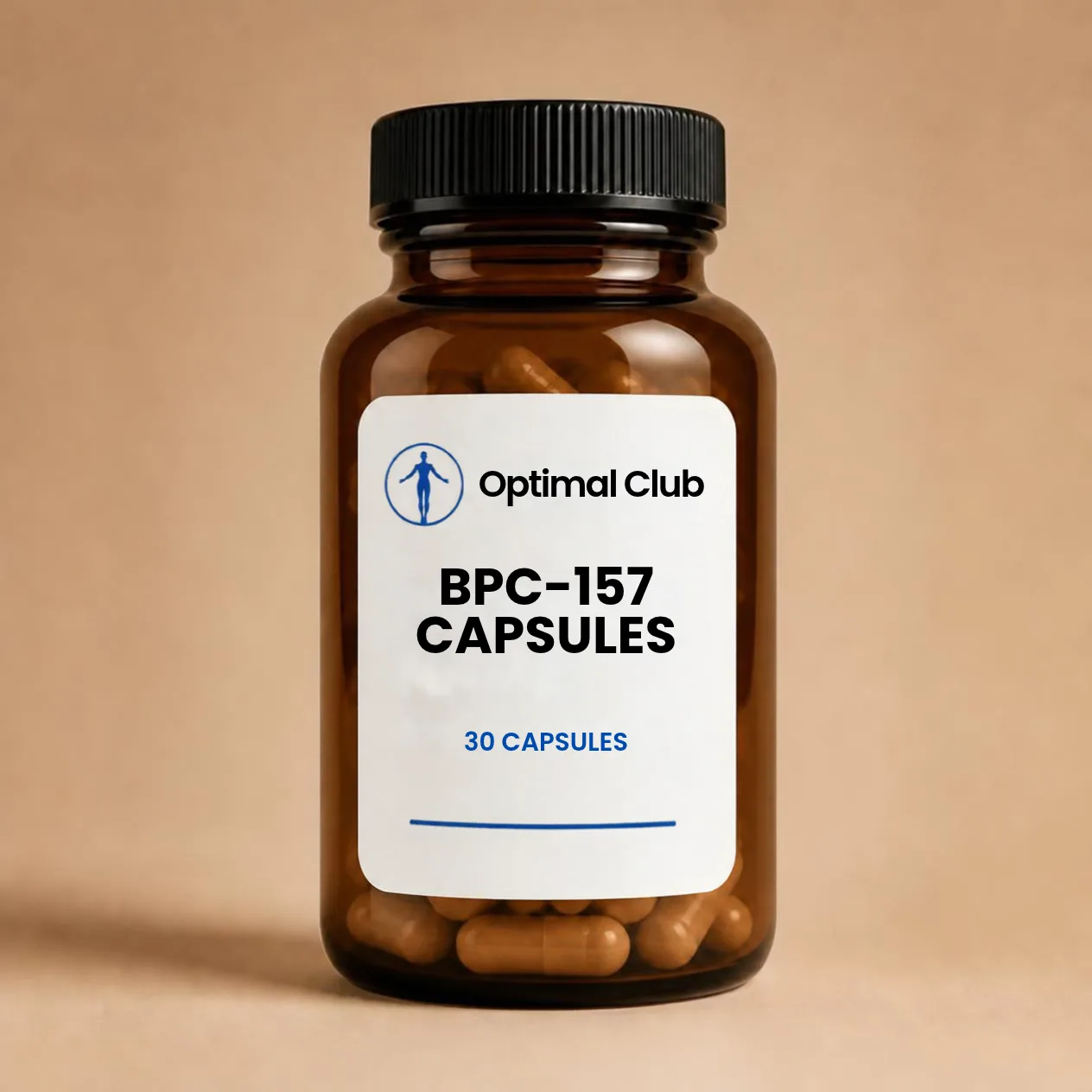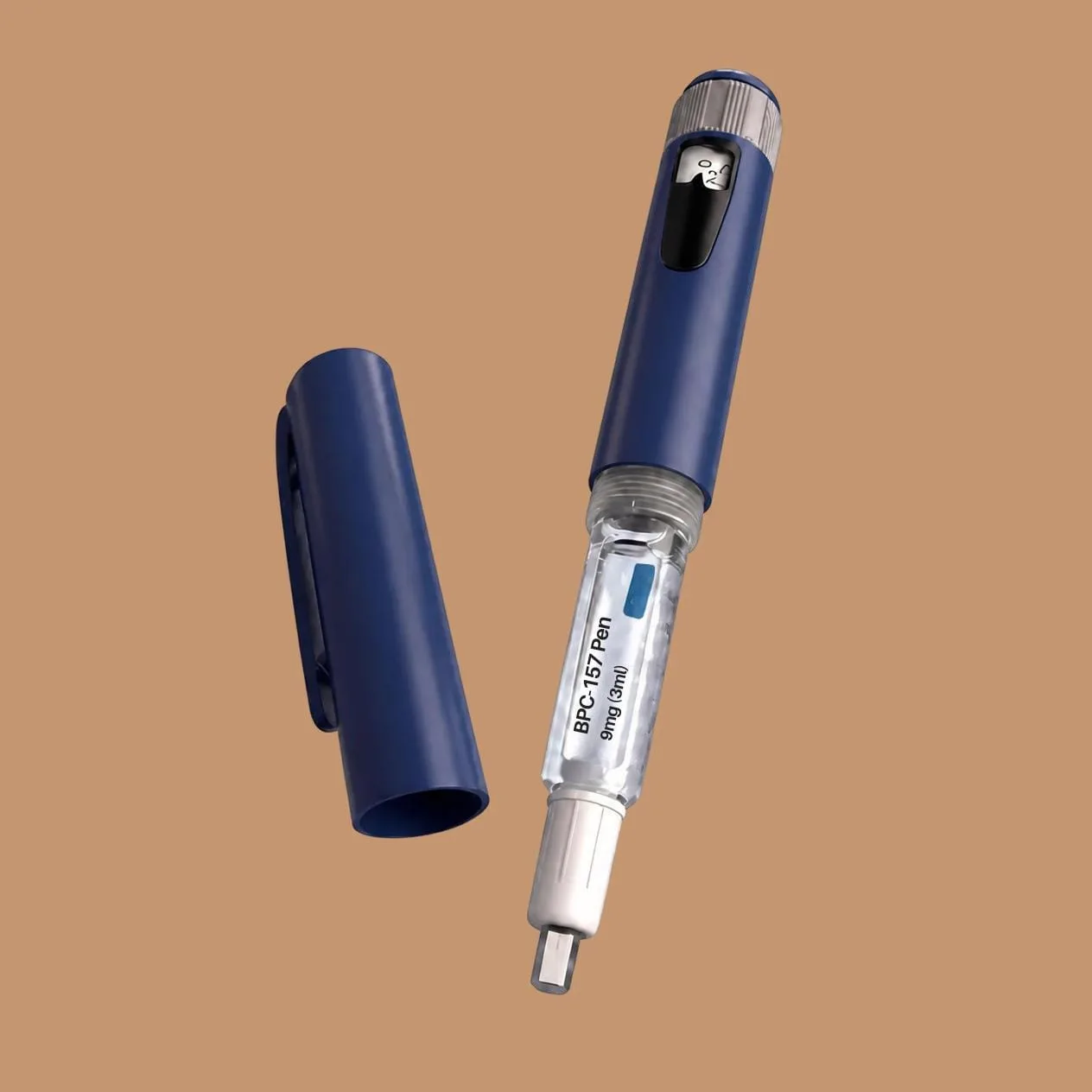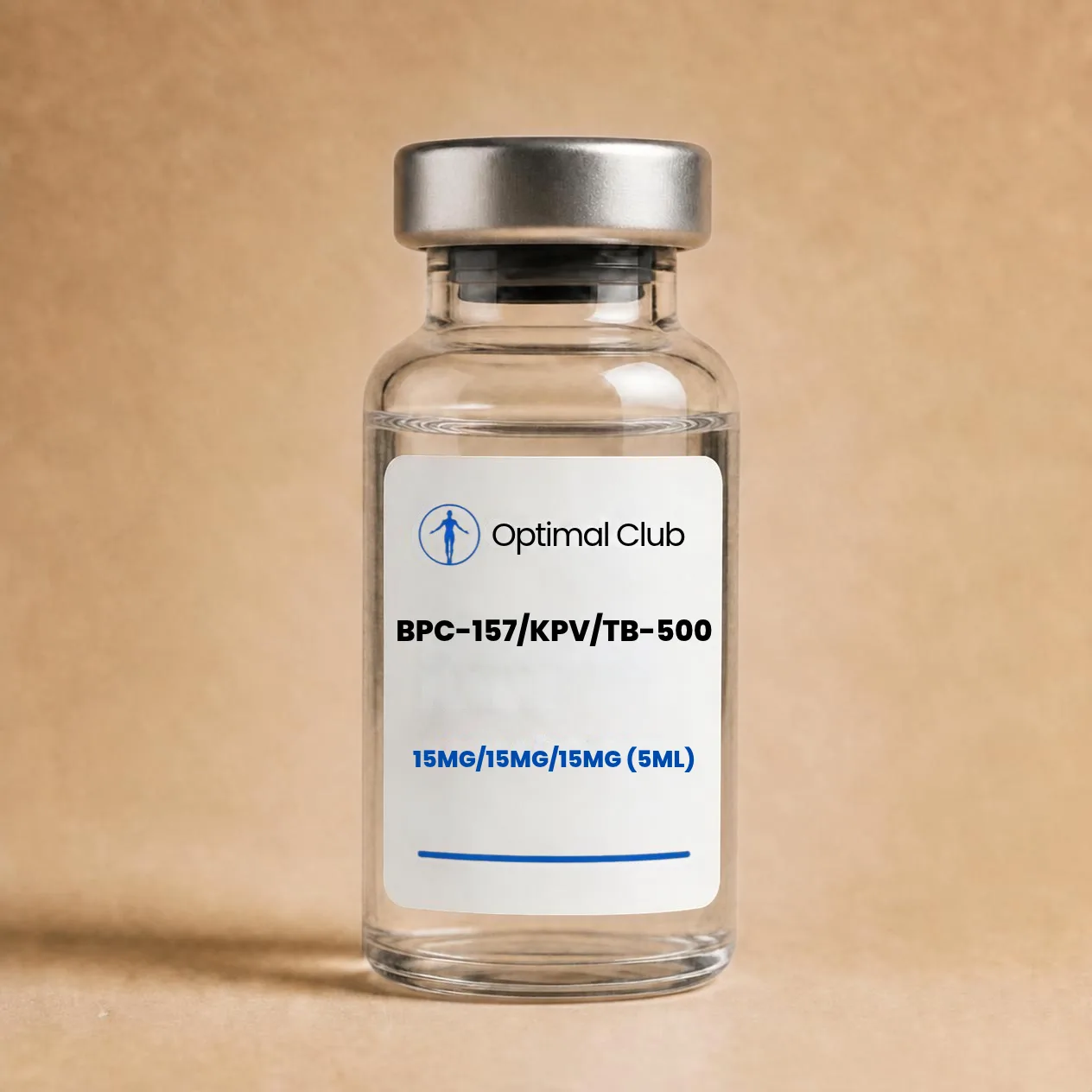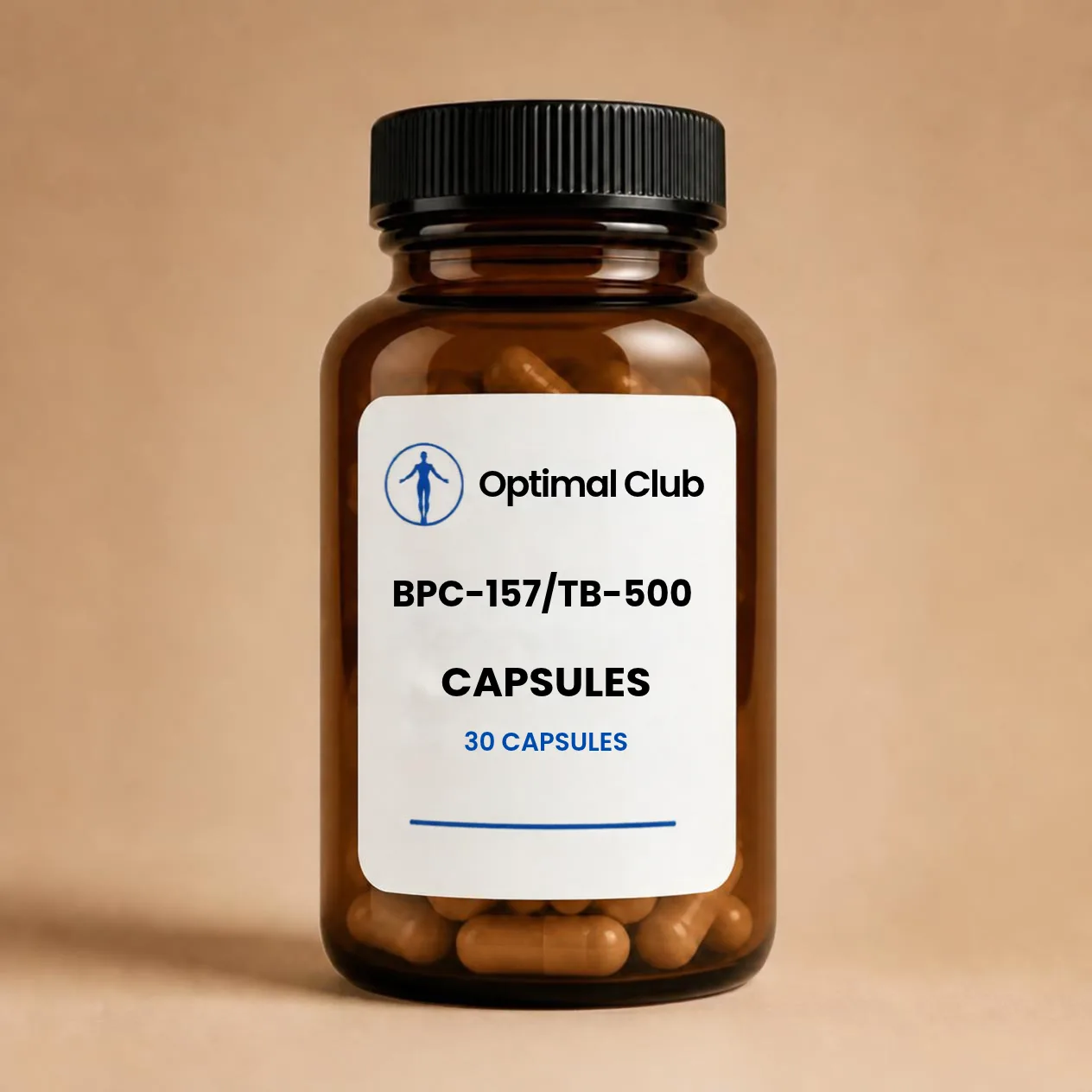
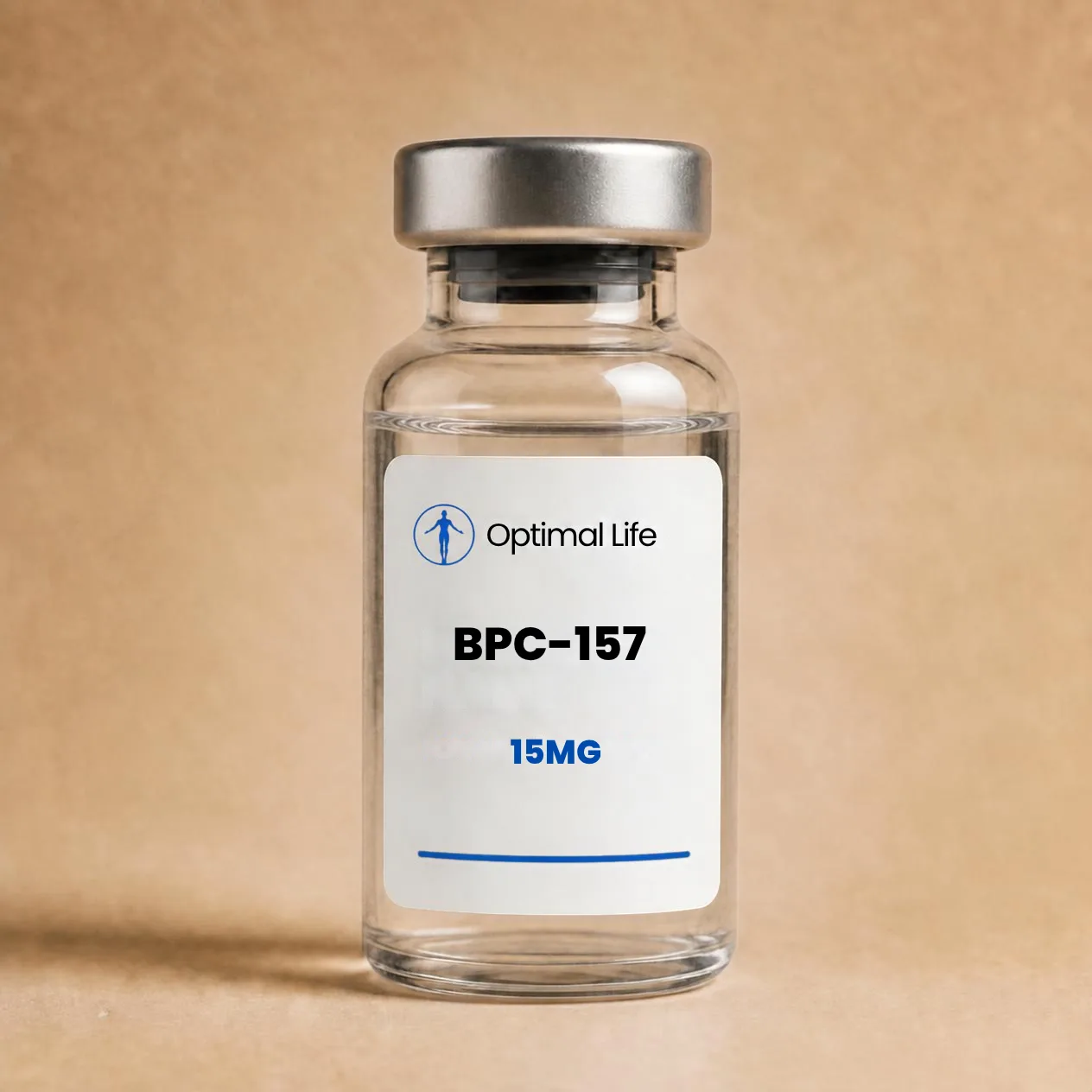
BPC-157 15 mg is a formulation containing BPC-157, a synthetic peptide that has been investigated primarily in preclinical research involving gastrointestinal tissues, musculoskeletal tissues, and other biological systems. Most published evidence comes from laboratory and animal studies, while robust human clinical evidence remains limited. BPC-157 is not FDA-approved for any medical use in the United States.
A licensed healthcare provider can assess clinical suitability, but this does not establish that a BPC-157 formulation may lawfully be compounded. The dispensing pharmacy must separately verify the applicable regulatory requirements.
Note: The 15 mg designation should not be considered a recommended patient dose. It refers only to the formulation strength.
What Is BPC-157?
BPC-157, or body protection compound 157, is a synthetic peptide consisting of 15 amino acids. It has been investigated in preclinical studies examining biological pathways associated with tissue repair, inflammatory responses, vascular signaling, and gastrointestinal function. These experimental findings do not establish that BPC-157 produces comparable effects or clinical benefits in humans.
Much of the published research has been conducted in animal models or laboratory systems rather than large, well-controlled human clinical trials. Therefore, findings from preclinical studies should not be presented as evidence of established clinical benefits in humans.
How Does BPC-157 Work?
The precise mechanism of BPC-157 has not been fully established.
Preclinical studies have investigated its potential effects on pathways involved in angiogenesis, nitric oxide signaling, inflammatory responses, and tissue repair. Researchers have also examined interactions with the vascular endothelial growth factor (VEGF) system and other signaling pathways. However, these mechanisms have primarily been studied in experimental models.
Because human evidence remains limited, these proposed mechanisms should not be interpreted as proof that BPC-157 repairs tissue or treats a particular medical condition.
What Does the Research Say?
BPC-157 has attracted research interest because of findings from animal and laboratory studies.
A 2018 review summarized preclinical investigations of BPC-157 across several experimental models, including gastrointestinal injury and tissue damage. Such reviews can help identify research hypotheses, but they do not establish clinical efficacy or safety in humans.
Other preclinical research has examined BPC-157 in models of tendon, ligament, muscle, and bone injury. These studies provide hypotheses for future research but cannot establish safety or effectiveness in humans.
Human Research
Human evidence for BPC-157 remains very limited compared with the amount of preclinical research.
A major limitation is the lack of large, well-controlled clinical trials establishing appropriate dosing, long-term safety, pharmacokinetics, and clinical effectiveness for specific medical conditions.
For this reason, claims that BPC-157 heals injuries, repairs tendons, treats gastrointestinal disorders, reduces inflammation, or accelerates recovery should not be presented as established medical benefits.
BPC-157 and Tissue Research
Researchers have investigated BPC-157 in experimental models involving soft tissues, including tendons, ligaments, and muscles.
Some animal studies have reported changes in tissue healing and vascular responses following experimental injury. However, animal findings cannot be directly translated into predictable outcomes in humans.
For an educational product page, it is more accurate to state that BPC-157 is being investigated for its potential effects on tissue-related pathways rather than claiming that it promotes healing in patients.
BPC-157 and Gastrointestinal Research
BPC-157 has also been studied extensively in experimental models involving the gastrointestinal tract.
Preclinical research has investigated the peptide in models of gastrointestinal injury and inflammatory processes. These findings have generated interest in further research, but they do not establish BPC-157 as an FDA-approved treatment for gastrointestinal conditions.
There is currently insufficient high-quality human evidence to make broad clinical claims about BPC-157 for gastrointestinal health.
FDA Status of BPC-157
BPC-157 is not FDA-approved for any medical use in the United States.
The FDA has also identified BPC-157 in its discussion of substances that may present concerns when used in compounding.
FDA has discussed BPC-157 in the context of bulk drug substances nominated for consideration for compounding under section 503A. FDA materials have raised concerns about potential immunogenicity and peptide-related impurities. A nomination or regulatory review is not FDA approval and does not, by itself, establish that a specific compounded formulation is permissible.
This is an important distinction: FDA discussion or regulatory consideration of BPC-157 does not mean that BPC-157 is FDA-approved.
BPC-157 is not FDA-approved for any medical use in the United States. Its inclusion in FDA compounding-related regulatory discussions does not establish that a particular formulation may lawfully be compounded. Before this product is advertised as available or considered for prescribing, the dispensing pharmacy should verify the current regulatory status of the substance and the eligibility of the specific formulation under the applicable compounding pathway.
Safety and Side Effects
Because human clinical data are limited, the long-term safety profile of BPC-157 has not been established.
Preclinical studies cannot provide a complete assessment of how BPC-157 may affect humans, particularly with repeated or long-term exposure.
Potential concerns include the lack of established human dosing, limited pharmacokinetic data, uncertainty about long-term effects, and potential risks associated with peptide impurities or formulation quality.
Patients should discuss potential risks with a qualified healthcare provider before considering any treatment involving an investigational peptide.