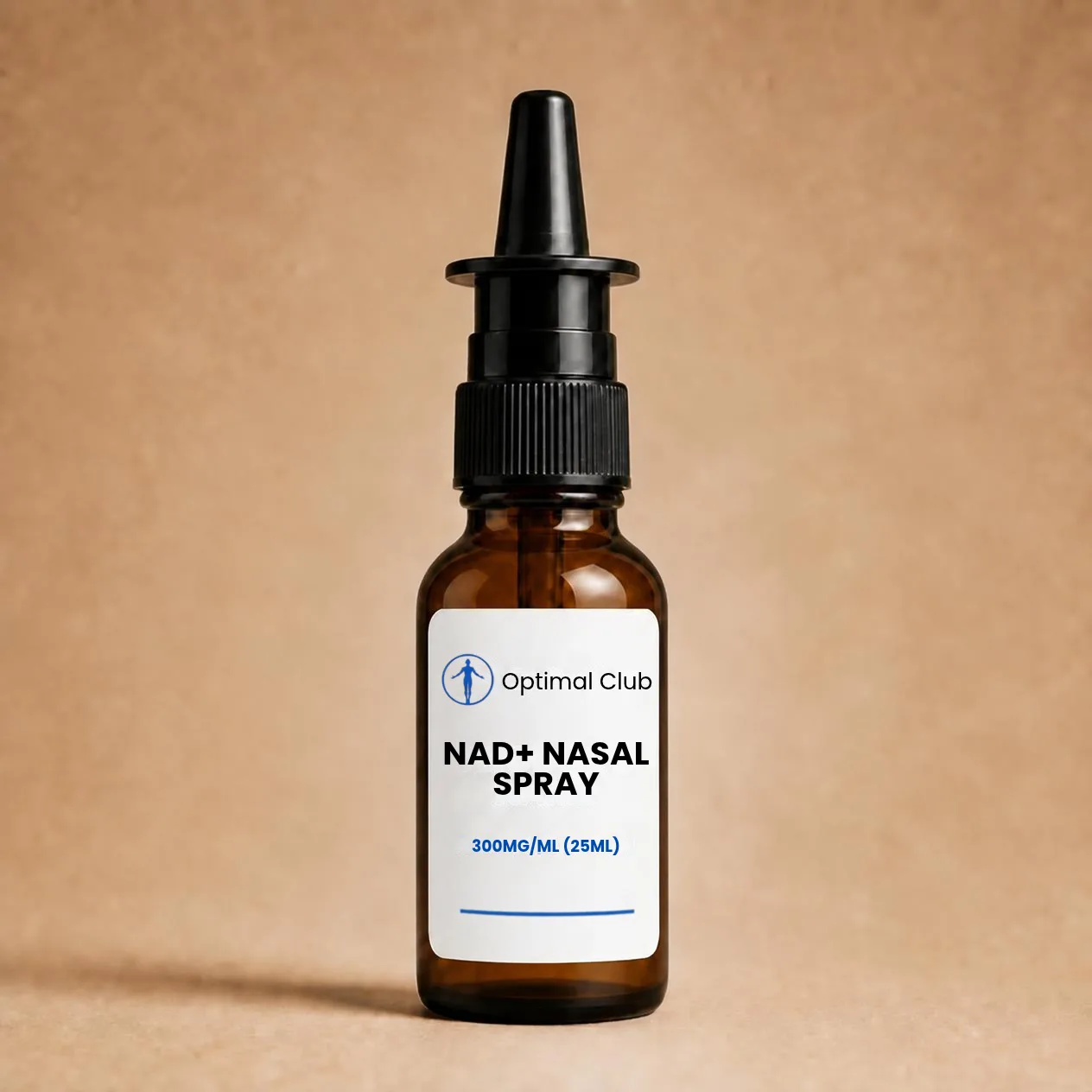
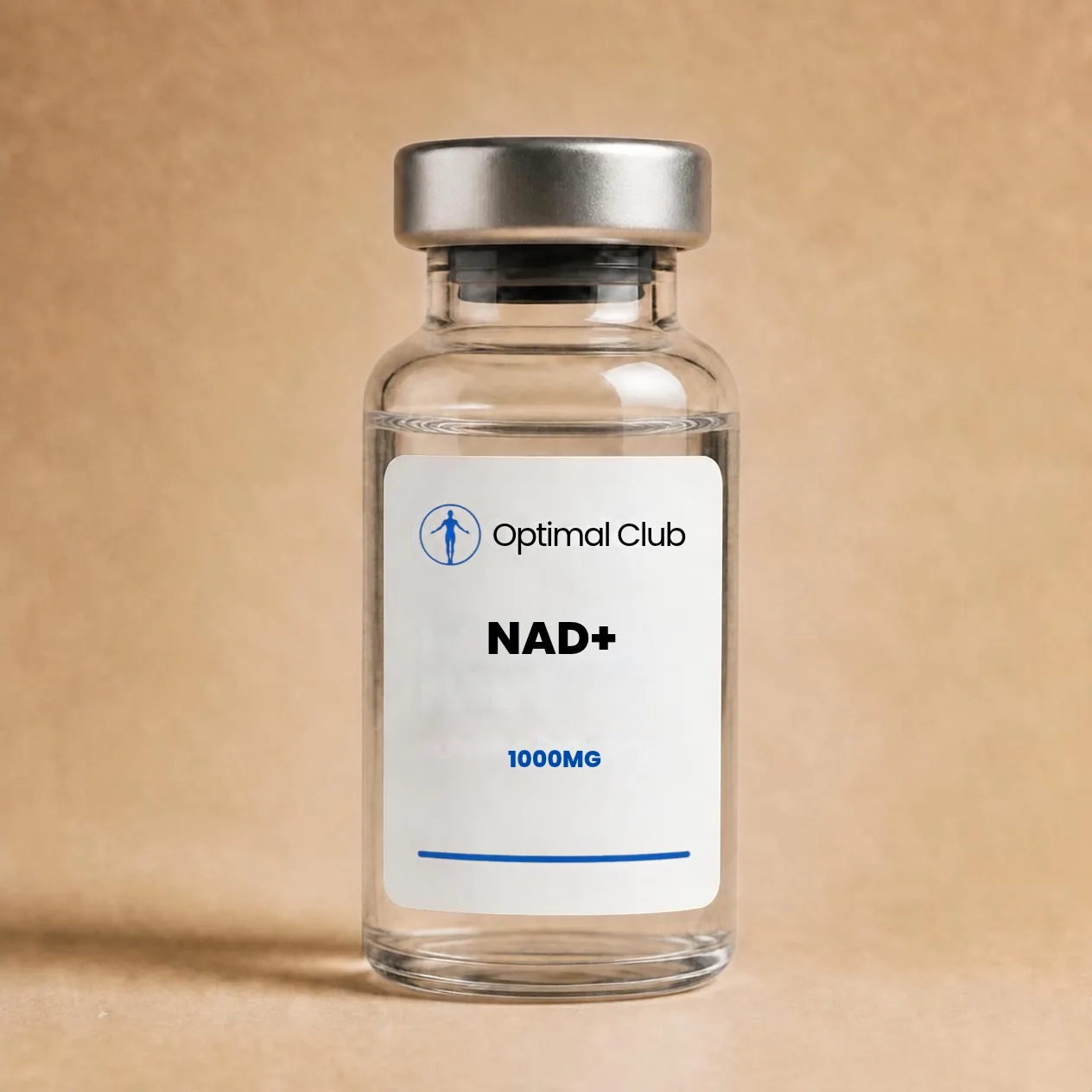
NAD+ contains nicotinamide adenine dinucleotide (NAD+), a naturally occurring coenzyme involved in cellular metabolism and redox reactions. NAD+ also participates in biological processes related to DNA repair, cellular signaling, and energy metabolism.
Interest in NAD+ has grown because researchers are studying its role in cellular metabolism, aging, and other biological processes. However, current clinical evidence for intravenous NAD+ remains limited, and more research is needed to establish its clinical benefits, the appropriate dose, safety and clinical effectiveness.
Treatment with a compounded medication requires evaluation by a licensed healthcare provider. A provider must determine whether a particular treatment is appropriate for an individual patient.
What Is NAD+?
Nicotinamide adenine dinucleotide (NAD+) is a coenzyme found in cells throughout the body.
NAD+ participates in oxidation-reduction reactions that help cells process nutrients and produce energy. It also serves as a substrate for enzymes involved in processes such as DNA repair, protein modification, and cellular signaling.
NAD+ exists alongside its reduced form, NADH. The NAD+/NADH system helps transfer electrons during cellular metabolic reactions.
Because NAD+ participates in many biological pathways, researchers continue to study how changes in NAD+ metabolism may affect human health.
How Does NAD+ Work?
NAD+ functions primarily as a coenzyme and metabolic substrate.
During cellular metabolism, NAD+ accepts and transfers electrons as it changes between oxidized NAD+ and reduced NADH. According to research, this process supports pathways involved in energy production, including glycolysis, the citric acid cycle, and mitochondrial respiration.
NAD+ also serves as a substrate for enzymes such as sirtuins and poly(ADP-ribose) polymerases. These enzymes participate in processes related to protein regulation, cellular signaling, and DNA damage responses.
These biological functions explain why NAD+ has become an active area of scientific research. They do not, by themselves, establish that NAD+ supplementation produces a specific clinical benefit.
What Does Research Say About NAD+?
Research into NAD+ is active, but the clinical evidence remains limited.
A 2024 review noted that many questions remain about NAD+ biology, including how NAD+ levels differ between cellular compartments and how supplementation affects those pools in humans. The authors emphasized the need for additional research before therapeutic conclusions can be established.
A 2026 retrospective human study examined intravenous NAD+ in a commercial setting. Participants received 500 mg of NAD+ intravenously for four consecutive days. The study reported moderate-to-severe gastrointestinal symptoms, increased heart rate, and chest pressure during NAD+ infusions. The researchers concluded that additional studies are needed to evaluate dosing and effectiveness beyond the short follow-up period.
This study is useful for understanding tolerability, but it does not establish that a 1000 mg dose is effective for treating a particular medical condition.
NAD+ and Cellular Energy
NAD+ plays an important role in cellular energy metabolism.
Cells use NAD+ and NADH to transfer electrons during metabolic reactions. These reactions support the production of ATP, the primary energy currency used by cells.
This biological role has led researchers to investigate NAD+ metabolism in areas such as mitochondrial function, metabolic health, and age-related biological changes.
However, the current clinical evidence does not establish that intravenous NAD+ improves subjective energy or physical performance.
NAD+ and Healthy Aging Research
NAD+ has attracted significant interest in aging research.
Studies have examined changes in NAD+ metabolism in relation to aging and age-associated conditions. Researchers are also investigating different approaches for increasing NAD+ availability, including NAD+ precursors and other interventions.
However, current evidence does not establish intravenous NAD+ as a treatment that reverses aging or extends human lifespan.
A recent 2026 review of intravenous NAD+ and NAD+ precursor research concluded that available human evidence remains sparse. The review identified small studies, observational research, and case reports, with limited long-term safety information.
Is NAD+ FDA Approved?
NAD+ should not be described as an FDA-approved medication.
The FDA states that compounded drugs are not FDA-approved, and the FDA does not review compounded drugs for safety, effectiveness, or quality before marketing.
In a January 2026 warning letter to a registered 503B outsourcing facility, the FDA stated that NAD+ was not eligible for the section 503B exemptions because NAD+ did not appear on the 503B Bulks List and was not being used to compound a drug on the FDA shortage list. This was a regulatory finding concerning the products and practices described in that specific warning letter.
NAD+ Safety Information
Human safety information for intravenous NAD+ remains limited.
A 2026 retrospective study reported several symptoms during NAD+ infusions, including:
- Gastrointestinal symptoms
- Increased heart rate
- Chest pressure
The study reported that these symptoms resolved after the infusion, but the authors emphasized the need for additional research into dosing, effectiveness, and longer-term safety.
The FDA has also documented a serious quality concern involving compounded NAD+.
In a January 2026 warning letter, the FDA reported that a compounded NAD+ product from one outsourcing facility contained excessive bacterial endotoxins. The agency reported adverse symptoms in three patients who received the affected product, including low blood pressure, shaking, chills, and body aches.
This example does not establish that NAD+ itself causes those reactions. It demonstrates why sterile compounding, ingredient suitability, quality control, and endotoxin testing are important considerations for injectable products.
The FDA has separately warned compounders not to use food-grade NAD+ for sterile injectable preparations because ingredients intended for food or dietary supplements may not be suitable for sterile drug compounding.
NAD+ and Clinical Evaluation
NAD+ has an established biological role in human cells, but intravenous NAD+ remains an area of ongoing clinical research.
A healthcare provider should review a patient's medical history, current medications, allergies, health conditions, and other relevant factors before considering any compounded treatment.
The strength shown on this page should not be interpreted as a recommended dose for an individual patient. Treatment decisions should come from the licensed healthcare provider responsible for the patient's evaluation.
Important Compounding Disclaimer
NAD+ is a compounded preparation and is not FDA-approved. The FDA does not review compounded drugs for safety, effectiveness, or quality before marketing. The information on this page is educational and does not establish that NAD+ treats, cures, prevents, or reverses any disease or condition. A licensed healthcare provider must determine whether treatment is appropriate for an individual patient.
References
- NAD+ in Cellular Metabolism and DNA Repair
- 2026 Review of Intravenous NAD+ and NAD+ Precursor Research
- NAD+ in Oxidation-Reduction Reactions and Cellular Signaling
- NAD+ in Energy Production Pathways
- 2026 Retrospective Study of Intravenous NAD+ Tolerability
- FDA: Human Drug Compounding Consumer and Health Care Professional Information